

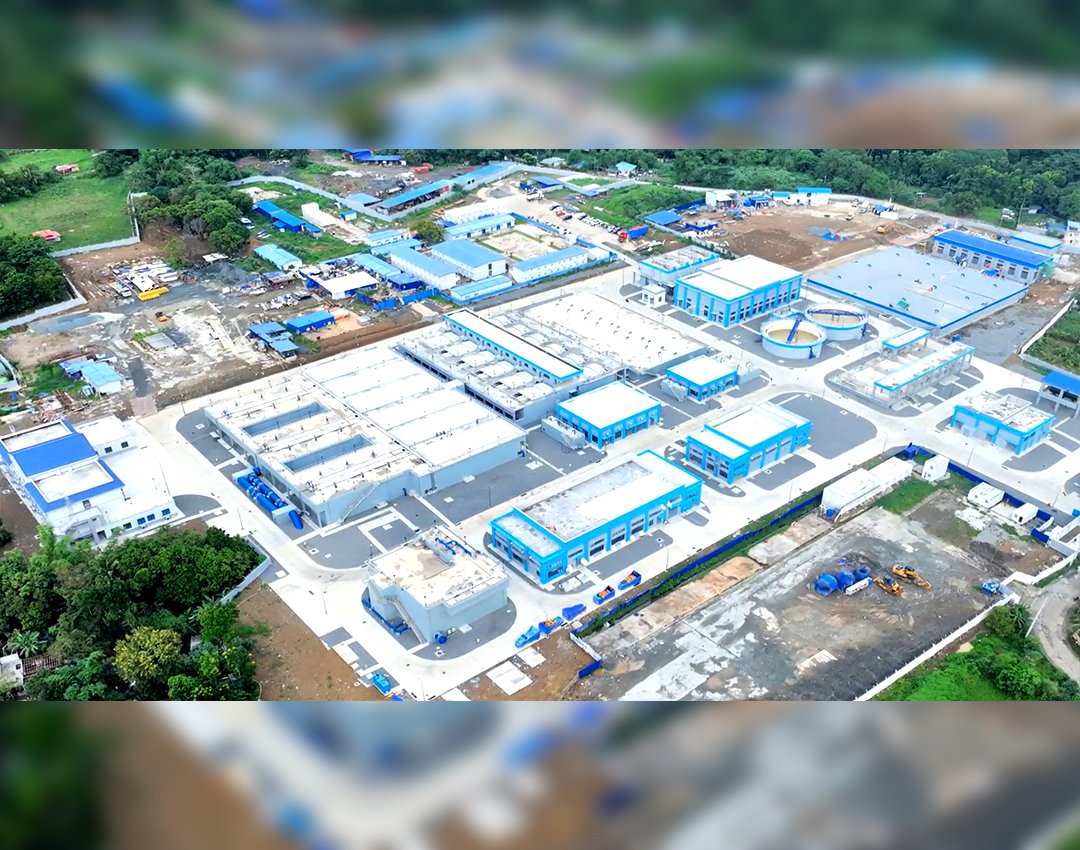
Manila Water’s 220-million-liters-per-day Kaysakat Water Treatment Plant undergoes finishing works as it moves closer to targeted completion before the year ends. Once operational, the facility will further reinforce the company’s water supply system and El Niño readiness.
Manila Water is strengthening its El Niño preparedness by maximizing its six active water treatment plants, which have a combined capacity of 1,980 million liters per day (MLD), and advancing two more major water treatment facilities that will further boost 24/7 service for customers in Metro Manila and Rizal.
Under the Angat-Ipo-La Mesa system are the 470-MLD Balara Filter 1, the 1,130-MLD Balara Filter 2, and 150-MLD East La Mesa Water Treatment Plant, with a combined capacity of 1,750 MLD.
Drawing from the central and eastern sections of Laguna Lake are the 100-MLD Cardona and 50-MLD East Bay Phase 1 water treatment plants, respectively, with a combined capacity of 150 MLD. Meanwhile, the Wawa-Calawis (Antipolo) system includes the 80-MLD Calawis Water Treatment Plant.
“Our active water treatment plants allow us to manage available supply more effectively and maintain reliable service for our customers. We are preparing early and investing in facilities that will strengthen water security during El Niño and beyond,” said Manila Water Communication Affairs Department Head Dittie Galang.
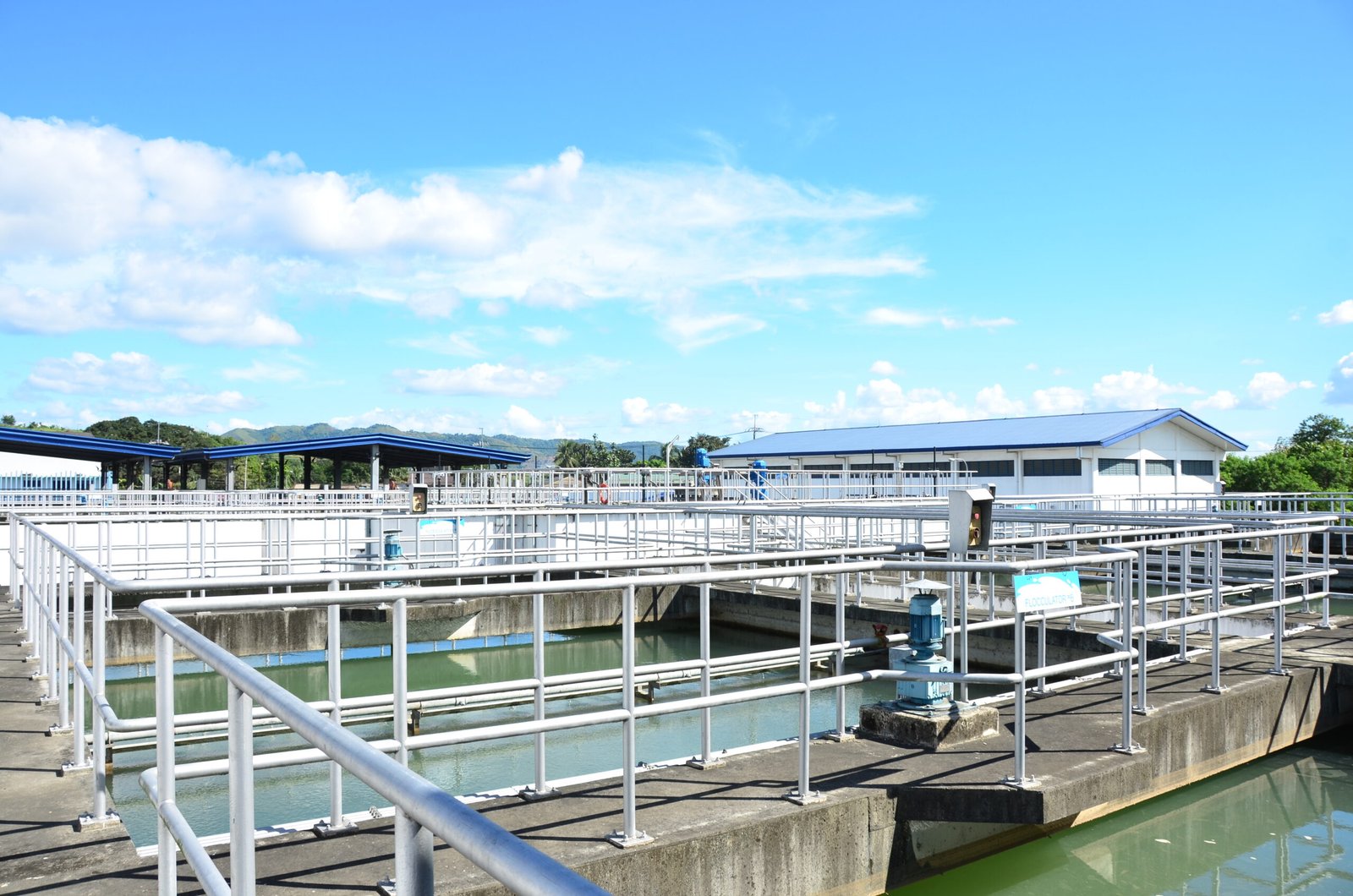
The 150-million-liter-per-day East La Mesa Water Treatment Plant is among Manila Water’s six existing treatment facilities being maximized to help maintain reliable water service during El Niño and other periods of supply pressure.
The company is also nearing completion of the 220-MLD Kaysakat Water Treatment Plant under the Wawa-Calawis system and the 200-MLD East Bay Phase 2 facility, which will draw from the eastern side of Laguna Lake.
Once operational, the two plants will add a combined 420 MLD, bringing Manila Water’s portfolio to eight water treatment plants with a total capacity of 2,400 MLD.
Alongside these investments, Manila Water continues to maintain its facilities, optimize operations, manage system losses, and closely monitor supply conditions to support reliable water service during El Niño and over the long term.
While Manila Water continues to strengthen its water supply system, customers can also help protect available resources by practicing responsible water use. Through its #WaterWais advocacy, the company encourages customers to conserve water and promptly report leaks. Timely leak reporting supports Manila Water’s efforts to keep non-revenue water below 15%, a level comparable with efficient utilities in developed countries. Keeping water losses low means more treated water reaches customers and helps protect the network’s available supply, especially during prolonged dry spells.
 58